Moldova, a Principality of Regatul Poloniei.
A brief history.
Several centuries ago, there was a great war between Regatul Uncariei and Regatul Poloniei. The Emperor of Poloniei, having suffered a number of defeats and seeing the end of his reign as eminent, sought the help of a people called the Valsha, a barbarous warlike people to the south of the Empire. The Emperor forged an alliance with some of the more powerful warlords among the Valsha. In exchange for helping to fight his enemies, the barbarians would be allowed to move into some of the eastern most lands of the Empire as long as they swore fealty to the Emperor.
This agreement worked well for the Emperor of Regatul Poloniei. The barbarian armies, with the aid of the northern Regatulians, crushed the armies of Regatul Uncariei and forced the the Uncariei to cede nearly half of their territory--the entire eastern coast--over the Poloniei. The Valshans then moved into to occupy that area, swearing allegiance to Emperor of Regatul.
Two warlords of the Valsha divided the lands of eastern Regatul, Moldov and Volevod. These two men were traditional enemies, brought together only temporarily to fight against Regatul Uncariei. Now that peace had come, past grievances were remembered and new conflicts arose as well. Eventually, a civil war erupted between the people of Moldov and those of Volevod. The Emperor, unable to force peace upon his two vassals, took sides with the more conservative and loyal of the two men -- Moldov. This lead to Volevod declaring himself king of the nation of Volevodatul, which was then at war with Regatul Poloniei. Volevod lost a great deal of his northern territory to Regatul Poloniei, but managed to prevent the Empire from conquering his territory completely. The lands taken by Poloniei, now called Romaneasca, were eventually taken again by Regatul Uncariei and then back again by the ancestors of Volevod. The area has been given up by Regatul Poloniei, though the people of Regatul Uncariei and Volevodatul still contend for Romaneasca.
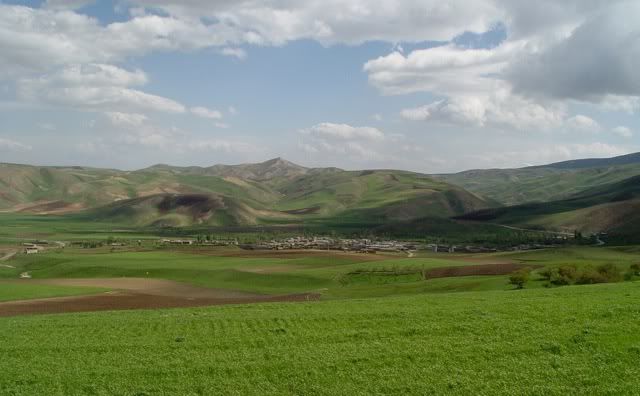
In time, Regatul Poloniei became weaker economically, suffering from foreign conflicts and internal corruption. Meanwhile, the people of Moldova, the province ruled by Moldov and his heirs, became wealthier. Moldov took residence in the ancient ruined city of Carsiei, changing the name to Moldova, after himself of course -- a name that would later lend itself to the entire region. Moldova, the city, was build on a channel between the Regatulian Sea and Hidden Sea, making it an ideal center for commerce and trade. In a tumultuous time when Regatul Poloniei was facing economic woes as well as civil and foreign war, Moldov VII pledged his wealth and armies to the Emperor in exchange for greater autonomy in the future - and was made prince over the Principality of Moldova.
Other Information
The culture of Moldova is a strange combination of the ancient traditions of the barbaric Valsha and the more civilized Regatulians. To a large degree, many of the original inhabitants of Regatul were killed or expelled by the Valshans. The only people remaining were a few members of the nobility willing to make an alliance with them or the Poloniei or some of the peasants who were allowed to continue working their land now for Valshan lords instead of lords of Regatul. Because of this, the language of Moldova, as well as the religion and even the appearance of the people, is different from that of the rest of Regatul.
The people of Moldova speak their own dialect of the Valsha language, with a number of words borrowed from the older Regatulian spoken at the time of Moldova's creation. Those Moldovans who do speak Regatulian usually speak an older version of it than what is used in Regatul Poloniei, perhaps the equivalent might be Shakespearean English compared to modern English. The people of Volevodatul use a different dialect of Valshan which has been influenced in by Regatulian different ways, making the language sound similar but not enough so that two native speakers can communicate freely.
The official religion of Regatul Poloniei and the Emperor is Asterelianism, though very few within Moldova practice it. Instead, the Moldovans follow the old folk beliefs of the Valsha, which diverge significantly from the religion of Asterelianism. To the Valsha, there was no word for religion, and while the word now exists within Moldovan as it had been borrowed from Regatulian, there is no traditional word for the faith of the Valsha -- it is most often called Shovyi (tradition) or (blood and earth) for the system of morality followed by the Valsha and by the people of Moldova.
The Moldovans don't believe in gods per se. They believe that the earth itself is a great wellspring of life and energy that all existence springs forth from. They don't believe that it has an intellect in the way that humans do, but rather that it has an essence like a plant or animal and that the nature of all living things follows from the essence of the earth. There are beings that are somewhat like gods in their belief system, called vitristi. Vitristi are intelligent, supernatural creatures who dwell in the the world, though their individual powers vary as well as their form and personality. Most commonly, vitristi have the features of humans and animals, though in some legends they are made from stone or plants, and sometimes even water. They are inexplicable and have motivations that no humans can discern, sometimes using their powers to help humanity and sometimes to harm them. In many legends, vitristi are horribly evil -- kidnapping children, eating or torturing them, making people deformed, raping women, sending plagues, or other such acts of villainy. In some legends, great heroes can even slay a vitristi, as it is said that though they are immune to harm in most cases, each has a single weakness that can be exploited to destroy it. Among the lowborn of Moldova, unusual events or mysteries are often attributed to the works of mischievous vitristi.
The moral system of the Valsha, frequently called earth and blood, has no rigidly defined concept of good and evil. What are more important to them are the ideas of honor, duty, and natural law. To the Valsha, blood carries great spiritual significance. It is the life force that animates all animals and that in turn binds people together and with earth itself. We our born in blood, a woman's blood marks her fertility, and through the shedding of blood of animals and enemies, humanity survives. Blood also signifies the familial connections between parent and child, between every member of a clan. One's highest duty is to one's family, those who share your blood most closely, then to the extended family of one's clan or village. The earth likewise has significance -- it is the source of life, for all plants spring forth from the earth and thus all life is possible because of the life of the earth. The nature of the earth also defines the nature of life, the tendency of things to grow old and die, the seasons, the new life, the cycles of existence, the triumph of the strong over the weak. For land owners and peasants alike, earth is land, and that is their livelihood.
While the people of Moldova don't rigidly define good and evil, they have a strong sense of duty and honor. There is an oath, also called "earth and blood" which binds two people together forever as family and life long allies. This ritual involves the two participants cutting themselves and then touching their cuts together, thus sharing their blood. They then each take a handful of earth from their own land, that they own or work in the case of peasantry, and mix it together. Sailers, men who work no land, instead use sea salt. Once this bond is made, the men are connected by earth and blood and are considered siblings in a sense. From that time forward, they must be willing to defend the other with their lives, to be always honest and faithful, and to help their blood sibling whenever they are able. Sometimes this ritual also involves additional vows depending on the nature of the oath. Oaths of fealty between nobility in Moldova almost always involve an oath of earth and blood, as do marriages or important contracts or relationships. Men aboard a ship often make such oaths with each other, as do soldiers serving together in a single military unit. Those who take the oath of earth and blood who then violate it are seen as the lowest of the low, the punishment in Moldova for this violation is death by bleeding -- the offender is hung upside down and his throat is slit.
Moldovans believe that the afterlife is eternal slumber, but like normal sleep, the dead can dream. It is thought that the dead have pleasant dreams based on their accomplishments in life, or sometimes that they have bad dreams based upon their cruel or selfish actions. Moldovans bury their dead in the earth, for as life sprung up from earth, so to the earth it returns. The ground also allow the dead to sleep peacefully with little interruption. Most Moldovan dead have either a stone cairn to mark their gravesite or a tree planted on top of them. In some places of Moldova, there are entire groves which mark the dead. Sometimes a nobleman will have a more impressive stone structure built to mark his gave. Though never a concern among the Valsha, some of the more educated and intellectual in Moldova have shown an interest in studying dreams -- as dreams are what the essence of the afterlife is, many want to learn to dream lucidly.
There are no formal priests among the Moldovans, though people do look towards wise men or women for spiritual advice. These people can range from old illiterate peasant women who know the old stories of the vitristi, to highly educated elites who have studied nature and history in the great universities of Regatul. Most towns or villages have at least one individual who is an expert on matters of the supernatural, though the nature of this knowledge varies widely. Usually older people are seen to have more spiritual knowledge than the young, so it is often a village elder who advises in such matters. There is also a person called a liviska, or liviskor for men, who are witches -- those who have learned some of the magical secrets of the vitristi. These witches are generally not feared or reviled by the populace; for the most part, their magic includes subtle spells for love, fertility, good health, rain, etc. Many more modern people of Moldova, those who live in larger cities or have embraced Regatulian culture or learning, are skeptical of the witches and their powers.
There are no formal churches for Moldovans either, though several of their cities still have old Asterelian temples which are maintained by the Regatulians. The religious holy days for Moldovans are the solstices and equinoxes as they mark the changing seasons, each such holy day is observed with a celebration based on the nature of the season which is beginning. Most families make a sacrifice on the holy days, usually a large animal is slaughtered and its blood is allowed to flow into a hole in the earth and then covered up. Farmers usually bleed the animal unto their fields and mix the blood into their soil - returning life to the earth from which it came in the hopes for bountiful harvests to come. Nobles and those who can afford it usually sacrifice a bull, poorer families slaughter smaller animals, while those who cannot get even a small animal will give a few drops of their own blood to the earth. Most of the meat from these slaughtered animals is consumed for the celebration, though some people like to leave choice cuts of meat in remote locations where the vitristi may find it.
All nobles within Moldova must swear by earth and blood to the prince, or as they call him, Konack. Because of the great weight Moldovans put upon this oath, rebellions against the Konack are few and far between as none wish to follow a lord who does not honor his vows. Part of the agreement made between Moldov VII and the emperor of Regatul to allow Moldova to become a principality involved swearing by earth and blood between each emperor and prince, something that the emperors continue to do but find barbaric and demeaning.
Moldovans believe that life is violent and hard, it is the way of nature and humans must live by natural law just as the animals do. They generally oppose charity as people who have failed have earned their poverty and must earn their way out of it. Infanticide is practiced when there is sign of deformity or retardation in the child. Moldovan boys are not considered real men until they have drawn blood in combat -- in the past, this meant personally killing a man, but in practice it has taken on a broader meaning to mean having taken part in a battle. Those who have served in the Moldovan military -- whether as a peasant levy, a sailer, pirate, professional soldier or knight -- is allowed to wear the color red, the color of one who sheds blood and has shed his blood for his people. During times of peace, it is not unusual for men to join the crew of a ship, as there are constant battles at sea it is a good place for a man to earn his red -- which is quite a status symbol especially when most men wear other colors. Many families will not allow their daughters to marry a man who has not earned his red and women see the red clothing of a man who has experienced battle as a major status symbol. For women, the right to wear red comes with having given birth.
Traditionally, the Valsha practiced polygamy, with the more powerful men and greatest warriors having many wives. This practice continues in contemporary Moldova, in a slightly modified form. Powerful men still have multiple wives, though the first wife they take has a higher rank than the others and her children are considered true heirs. Subsequent wives, which are more like concubines, have a lower position and their children do not become heirs unless unless there are no children of the first wife living. A wife is called a voiya in Moldovan, the first wife, is a provoiya, or literally big wife. The children of voiya are well treated though, and in noble houses the sons of a voiya often become soldiers in the lord's household guard while the daughters become ladies in waiting, tutors, or wives of soldiers or voiya of other nobility. There are some institutions within cities of Moldova that take beautiful slave girls and teach them in the ways of nobility, as well as sexual and sensual techniques -- they are then sold to wealthy men as voiya. Among commoners, there is less of a distinction between first wives and subsequent ones, most common men can only afford one wife anyway. In any case, the virginity of a girl is important to potential husbands and non-virgins will never be considered for provoiya -- though in many cases a man may accept a woman as voiya even if she's not a maiden, especially in the case of widows.
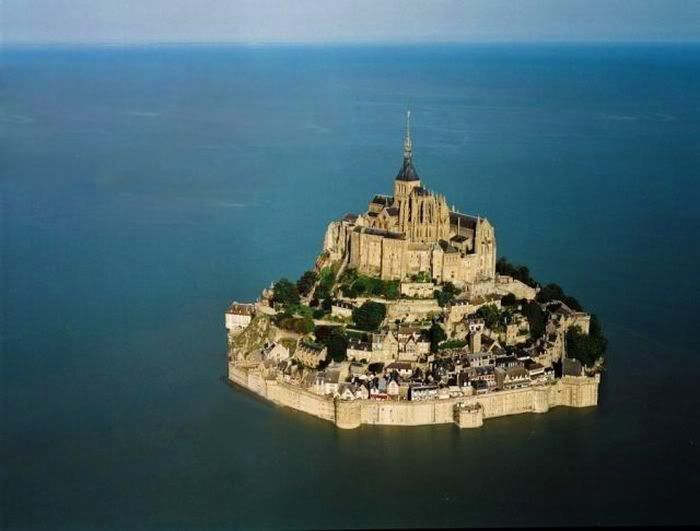
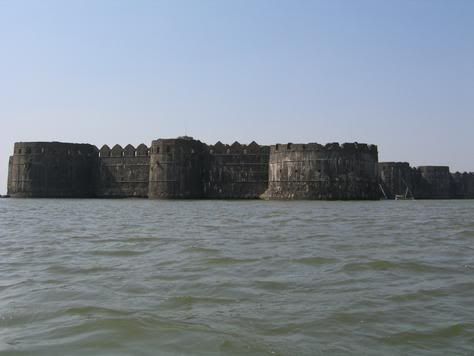
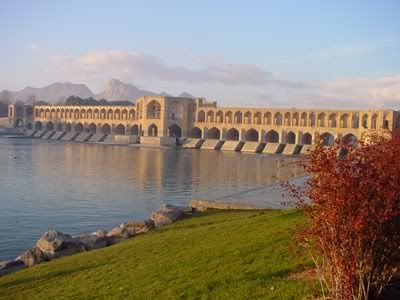
The capital of Moldova, also called Moldova, is a massive city which is split into two parts by a channel between the Regatulian Sea and the Hidden Sea. This city is a center for commerce and the merchant families there are incredibly wealthy. The city has numerous canals through it it which are navigated with small boats and poles. The prince resides on his own small island outside of the proper city, the island is surrounded by massive 40 foot walls and manned by the prince's household guard and loyal servants. Taxes charged upon goods going through Moldova are quite low by most standards and the prince has a policy of asking no questions about goods which go through the city -- for this reason many merchants come to Moldova to do business and get goods which are difficult to acquire elsewhere. These goods may include anything from slaves, to weapons, to stolen objects, to secrets. The prince is also a banker, loaning money or keeping it safe for others.
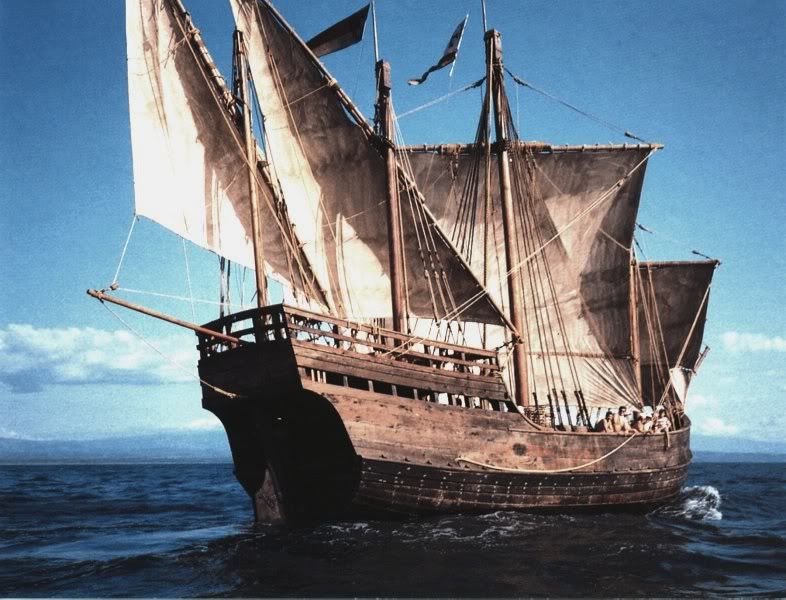
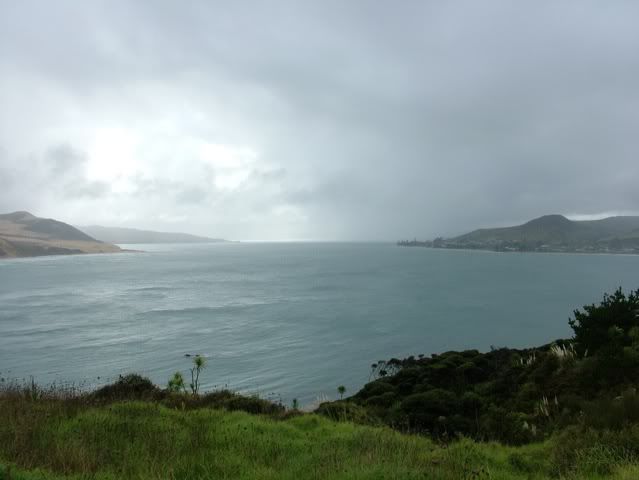
To the east of Moldova lies the Hidden Sea, so named by the Regatulians because when the warm humid air drifts down from the north in the summer, it meets to cold air of the southern continent of forms a thick sheet of fog over the waters. In the winter, cold air blasts out of the south and clears away the fog, but makes the waters choppy and the sky stormy. For this reason, along with violent sea going barbarians which inhabit those dangerous waters, the Regatulians never seriously explored the waters of the Hidden Sea. The Moldovans, however, were a bit more adventurous and have built a powerful merchant and well as militant navy to explore the region. Over the years they have explored and conquered a number of islands to their east, and making contact with the people of the lands to the south - sometimes trading with them, sometimes waring with them. The southerners have been a sea going people from before the time of Moldov I and the Moldovans have been anxious to learn about their sea journeys and the lands they have discovered.
One of the conquests of Moldova is an island chain called the Ogorod Islands. These islands are rich in gold veins and have brought massive wealth to the prince and have encouraged him to build an even greater fleet of more advanced ships to explore the region and the world. Many of the slaves bought or taken by Moldova end up in the gold mines of Ogorod, where working conditions are so harsh and dangerous that it is difficult to get free men to work there.
Moldova has also conquered a large section of the lands belonging to the Valsha, which the prince now claims dominion over. Formerly, the prince is called Konack Moldova Prokonack Valsha - "the prince of Moldova and the king of Valsha." The princes' lands in Valsha extend to the great mountains of the south, whose harsh climate and warlike defenders have proven expensive to overcome, in both money and lives. Many Moldovan men flock to Valsha though, hoping to earn their red fighting against their barbarian relatives.
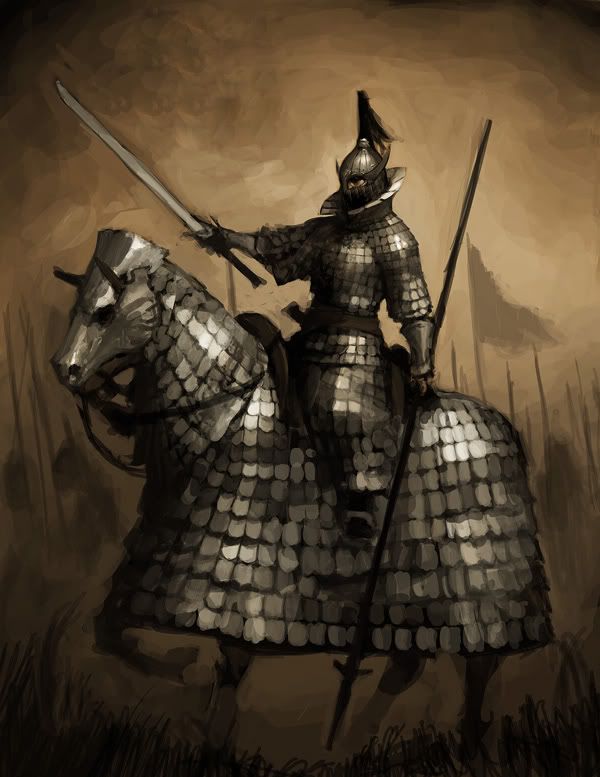
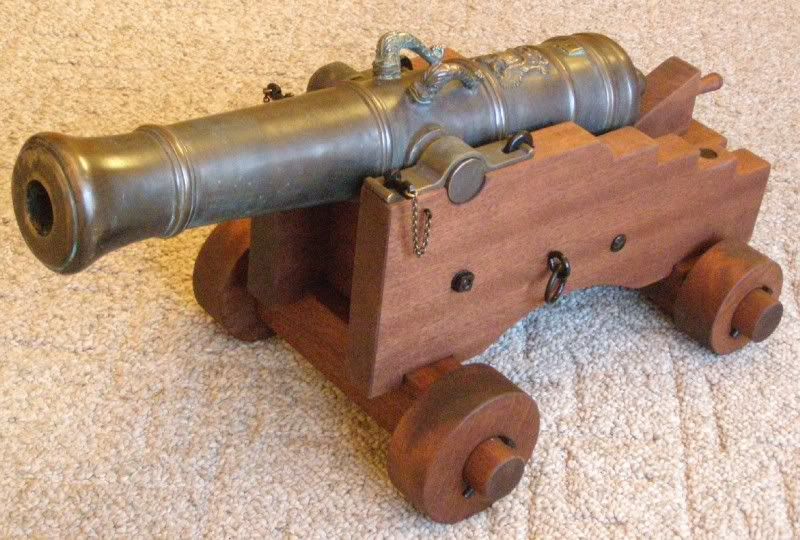
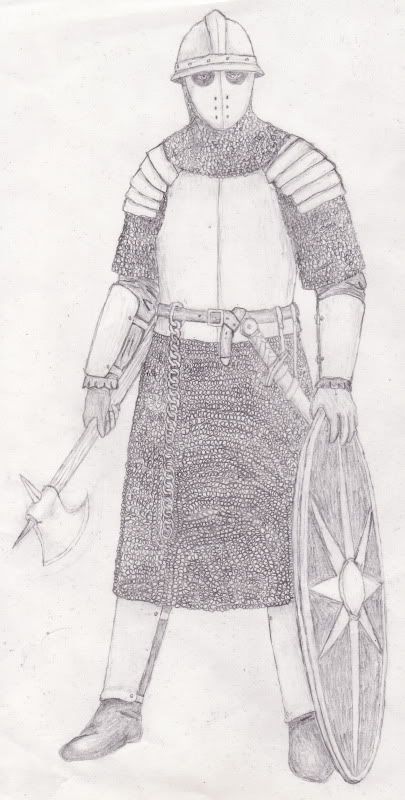
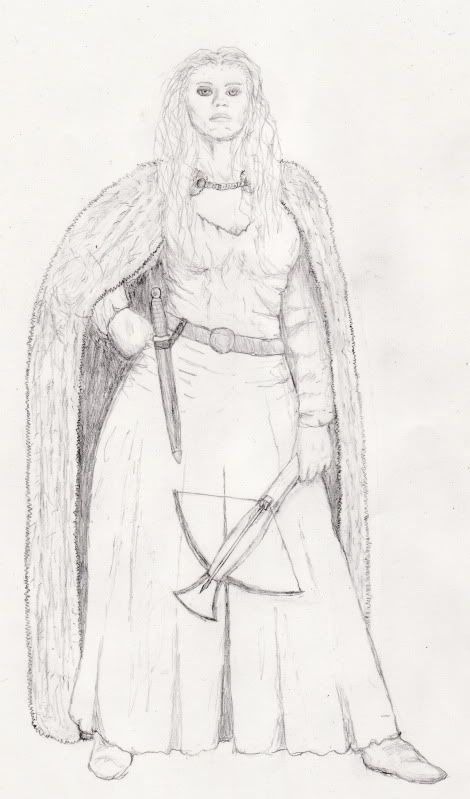
The traditional warrior elite of the Valsha as well as Moldova are the drakanoi - the dragons. These warriors are cataphracts, their bodied covered from head to toe with scale armor and their heads covered with a menacing dragon themed helm. For the Valsha in olden days, their armor generally only covered the warrior himself, but in time the horse became heavily armored as well. As time passed, the exact weapons that drakanoi brought into battle changed - traditionally they rode into battle with only hand weapons and shield, though this changed to a lance with the Moldovans. Eventually, with the advent of gunpowder and pike formations, the drakanoi replaced their lances with pistols or blunderbusses, often crafted to resemble a dragon's head. Their scale armor was replaced by plate with a thin layer of scale above to maintain the dragon appearance. The other warriors of Moldova are diverse in style and armament, though most lords in Moldova have their own armies which include arquebusiers and halberdiers.
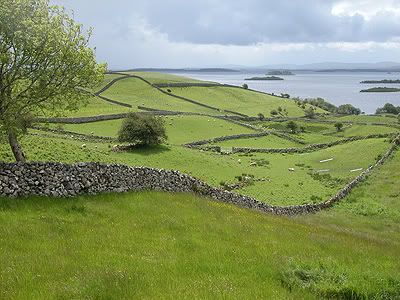
The people of Moldova are caucasian, having light skin and blonde, red, brown, or black hair along with blue, green, or brown eyes. Their skin is generally pale, in contrast to the Regatulians who have a more olive complexion and usually brown hair and eyes. Some Moldovans have slightly exotic or asiatic features, though they are in the minority. The land of the Valsha was bitterly cold, not only in being close to the south pole but in its mountains and altitude - so many of the styles of Moldova have carried over and include furs and skins. Moldova has a cold winter as well with consistent snowfall, but not as much as the ancestral homeland of the Moldovans. Moldovans have no nudity taboo and in the summer its not rare to see men and women going about shirtless, though exposing the genitals is a little bit rarer.
The artists of Moldova are perhaps the best in the world. Their painting are very lifelike and finely crafted, utilizing perspective and shading to simulate reality. Their work is comparable to the master artists of the Renaissance and Enlightenment period. Moldovan artists love the human form, and this combined with their acceptance of nudity means that many of their works of art are considered lewd or indecent in some other cultures. There is a great hall in the prince's palace which contains a portrait of each prince of Moldova, by looking at the paintings in order viewers can see how the artistry of Moldovan painters has improved over the centuries.
Until several decades ago, a people called the Daziri were a large minority within Moldova. The Daziri are a nomadic foreign people who make there livings traveling about in their wagons and caravans, trading goods, providing entertainment, or sometimes swindling the peasantry. The Daziri flocked to Moldova because of the wealth from trading and because the princes have traditionally been tolerant of any merchants in the principality. This changed with the last prince, who for reasons known only to him and perhaps some of his inner circle, ordered that all the Daziri in Moldova be rounded imprisoned. Many of teh Daziri espaced, those who did not were either killed or enslaved and sent to the mines to labor.
In more recent times, there have been problems between the Emperor of Regatul Poloniei and the Prince of Moldova. Moldova has grown incredibly wealthy through its trade, banking, and gold mines. Meanwhile, Regatul Poloniei has had numerous financial problems and been forced to borrow from the prince. For the past 50 years, the Regatul Poloniei has had to contend with a very powerful and respected prince and his power and wealth waxed as theirs waned. Several years ago, the elderly prince died and he was replaced by his young grandson. As the grandson was not as wise or respected as the previous prince, the emperor thought that in his first year would be a good time to establish Regatulian authority over Moldova -- demanding certain regulations over Moldova, taxation, access to ships and men, etc. Unfortunately for Regatul Poloniei, the emperor held Moldovan traditions in contempt, and failed to receive the oath of earth and blood from the young prince. The young prince saw the Emperor's demands as an outrage and not being bound by earth and blood, declared himself Prokonack Moldova -- king of Moldova and declared independence. Now Moldova has been seeking an alliance with their traditional enemies, Regatul Uncariei, who wish Moldova to become a principality under their dominion, hinting that Moldovan land is rightfully theirs and that if the prince does not accept these terms, they may try to take those lands back. The prince has also been courting the people of Volevodatul, with whom the Moldovans share more cultural similarity, in the hopes of forming some kind of alliance against the two Regatuls.
Despite oaths of earth and blood which must be obeyed openly, many of the nobles and rich merchants of Moldova secretly work against each other. Some try to curry the favor of the prince, others try to exploit or undermine him, some use spies or assassinations, others corner the market on valuable goods. The city of Moldova is a nest of vipers, many of which are sworn to each other and yet all trying to establish their own dominance or get wealthier at the expense of others. The situation is particularly tumultuous during the coronation of a new prince, when the old alliances and friendships with the previous prince are dissolved. Since the current prince is so young, many of his advisers are ambitious men who seek to establish themselves at major powers in Moldova, replacing the old guard as they do so.
Religion
The people of Moldova worship the old gods of the Valsha, an ancient pagan pantheon of primal deities. Unlike with many other polytheists, the Moldovans do not worship all of the gods of the pantheon, rather different families are each dedicated to a specific god as a patron deity. According to legend, when the gods walked the earth in ancient days, they took mortal servants or even lovers and the modern families of Moldova and descended from those servants or even from the gods themselves.
In particular, noble families put great pride in worshiping their patron god and in the blessing that god bestows upon the family. Peasants tend to be a bit less devout, some of them dedicating themselves to a god that is associated with their family, sometimes following the god of their noble liege, or in some cases even paying respect to many of the gods - something virtually unheard of among the Moldovan nobility aside from the Prince. A fair number of peasant Moldovans are Asterelians, which are not persecuted among the Moldovans but are disliked.
When a Moldovan becomes an adult, he is she is expected to take an own of loyalty to the family's patron god just as they do to the patron lord. This is an oath of blood and earth, conducted in a special family temple before a statue of the venerated deity. The Prince, as representative of the entire nation, upon taking the throne will swear an oath of loyalty to each of the gods in a similar fashion.
Each family usually has dedicated priests and priestesses to serve the gods, the exact nature of the worship and ceremonies varies between the different gods. They each have their own holy days and special rituals, though there are some universalities. Animal sacrifices are very common for the Moldovan gods, usually involving slaughtering the animal and letting it bleed out before a statue of the deity and letting the blood run through a special hole to seep into the earth, earth consecrated to the god. In most cases, the priests and worshipers may eat the animals' flesh in a special feast, though for some rituals the entire animal is given to the god. The blessing attributed to the gods are many and varied, prayer combines with ritual and folk superstitions to make priests as much like wizards and holy men, conducting ancient ceremonies with special words or symbols, in the hopes of being blessed with in special ways. Some rituals are kept secret within a certain priesthood or order of priests while certain other rituals are widely known among the people of Moldova. Many Moldovans have idols to their family god, sometimes even a wooden one carved by peasants, where they may have a blood letting or pray before.
There are many gods worshiped among the Valsha, though there are a handful that receive the majority of the veneration, especially in Moldova. Below are some of the gods, the names will follow (when I have the time). While these gods may seem to represent certain specific ideas, they may have done so in the past, but today the are multifaceted gods who have deep personalities, many legends and deeds associated with them, and each is prayed to by a variety of people. For example, a hunter form a family who venerates the Child would not pray to the Huntsman for success in hunting, but would pray to the Child instead and would view the gifts of the child as being uniquely helpful in the hunt.
The Huntsman
This is a god of the forest and of the hunt. It is usually portrayed with a spear or sometimes a bow, or surrounded by animals that he has either slain or tamed - a common depiction shows him with an falcon upon his arm or shoulder.
The Patriarch
This god is depicted as a large overweight older man with a thick beard, sometimes with a drinking horn and sometimes with a blade. He is seen as a god of both, fatherliness, and protection as well as of fun, parties, feasting, and the home.
The Crone
This goddess is an old woman, hunched over with age and wrinkled, but very wise as well. She is a goddess of herbalism and wisdom, of mothers and motherhood, of the elderly and respect for the elders.
The Twins
These are two twin women, usually depicted as being young and beautiful. They are often associated with young and beauty, with life and vitality, along with the moon.
The Child
This god is seen as a young boy, forever mischievous and mysterious. He is often associated with stealth and trickery, along with creativity, hope, and the virtues of youth.
The Red Woman
This goddess is a woman depicted with a sword or knife, often covered with blood. She is a goddess associated with vengeance, violence, and strife - often justified violence by those who worship her.
The Bard
This god is a wanderer and a charmer, a storyteller and rogue, who knows of people and the world and personifies social interaction, parties, music, and merriment.
The Thin Man
The god is depicted as being deathly thin or perhaps even skeletal, with a bony face and grinning teeth. This is a fearsome god associated with death, fear, and the unknown. Those who venerate him pride themselves in being fearsome as well as fearless.